














The concept behind the portable espresso maker from OutIn is compelling. OutIn solves the biggest headache of portable espresso makers: we no longer need to carry a kettle or gas stove around or hunt for hot water on the trail, because OutIn has an integrated water heater. Its USB-C rechargeable 7500 mAh battery packs enough power to heat cold water several times and build up sufficient extraction pressure—at least in theory and promotional ads. We took a close look at how it performs in practice, and unfortunately, our real-world results look a little different.
The Best Portable Espresso Concept
Hot water is one of the main challenges of brewing espresso outdoors. That's why many manufacturers don't address water heating at all, leaving it up to the brewer, who then needs a kettle, gas burner, or campfire.
Heating water isn't the only hurdle with portable espresso makers—preheating the entire device body is equally crucial! We discuss outdoor coffee brewing extensively in our comprehensive outdoor coffee article and video guide.
With the Nano, OutIn doesn't leave the water heating challenge to you; instead, it incorporates a small water heating element directly into the brewer. Depending on water volume and starting temperature, it is designed to heat brew water up to 5 times on a single charge. However, that brings us to one of the manufacturer's slightly embellished marketing claims: reaching 5 heating cycles is only possible if you use the absolute minimum water volume, and even then with trade-offs. There are several other marketing claims that we don't fully agree with, which we discuss in detail below.

OutIn Temperature Realities
According to the manufacturer, the espresso maker heats water to 92 °C. In our tests, we reached 90 °C in the upper chamber only a single time, and that was when using a minimal 40 ml of water. With larger water volumes, water temperature in the heating chamber remained between 85 °C and 88 °C. At larger volumes like 70 ml, temperatures dropped to 85–86 °C. We confirmed these results on our own OutIn unit and cross-checked them against temperature readings from two additional units.
In practice, actual brewing temperatures inside the coffee bed are even lower, as water loses additional heat to the cold surrounding components on its path from the heating chamber to the coffee grounds.
Lower brewing temperatures directly affect espresso flavor, noticeably emphasizing bright acidity, especially in lighter roasts. Therefore, we recommend selecting specific espresso roasts that complement the Nano's thermal profile.
Of course, you can bypass lower temperatures if you pre-heat your brew water externally using a kettle. In that case, we recommend pouring in water at 95 °C or higher. This thoroughly preheats the brewer body and delivers excellent brewing temperatures, ideally landing between 92 °C and 94 °C inside the basket. Working this way solves several of the brewer's thermal limitations.

Marketing vs. Reality
Perhaps it's a modern trend to advertise bold, flashy figures. We only highlight marketing discrepancies when they stand out dramatically. OutIn follows this bold communication strategy, but once you put the brewer to the test, several claims crumble:
| Marketing Claim | Measured Results & Test Reality |
|---|---|
| 200 Seconds Heating Time | Only applies to the absolute minimum water volume. With 70 ml of water, we measured 4 minutes 30 seconds. |
| 5 Heating Cycles per Charge | Achievable only at minimal fill volumes. At full capacity, you get significantly fewer cycles. |
| 20 Bar Pressure | A marketing metric without practical benefit. Every good espresso machine brews at 6 to a maximum of 10 bar. |
| 92 °C Brew Temperature | The heating chamber reaches only 85–88 °C on average; that target temperature is not achieved inside the basket. |

So Much (More) Potential!
Nothing we've pointed out should leave the impression that we think the OutIn espresso maker is a bad product. We think it's brilliant! Combined with a roast profile that handles lower brewing temperatures well, the OutIn delivers exactly what we want from a portable espresso brewer:
That is an absolute game-changer, making the OutIn Nano the most versatile and convenient portable espresso maker for countless outdoors applications. In theory, you can brew coffee almost anywhere, since water heating is self-contained and the cup catches the shot directly. Whether in a sea kayak, on a ski lift, during a road trip, at the beach, or in a bike bottle cage... The OutIn Nano is the ultimate outdoor espresso maker!
And any minor criticisms fade away the moment you pull and enjoy a fresh espresso out on the water in a kayak.
The brewer itself could be even better! In our view, it only needs two improvements:
Note: The heating element draws more power than pass-through USB charging can deliver, so it cannot be operated continuously while plugged in.

Package Contents and Build Quality
The OutIn espresso maker feels robust and well made. In its base configuration, it weighs under 700 grams and remains compact (23 cm tall, 7 cm diameter).
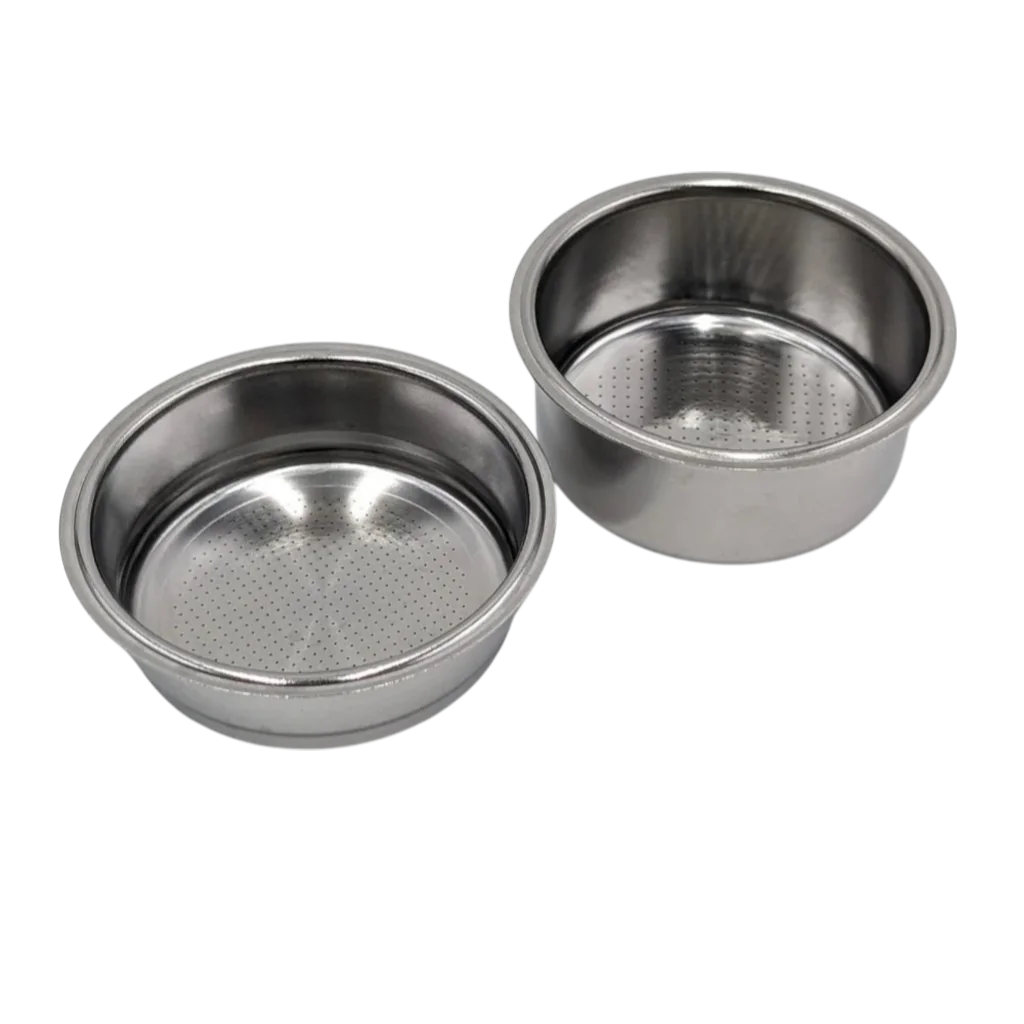
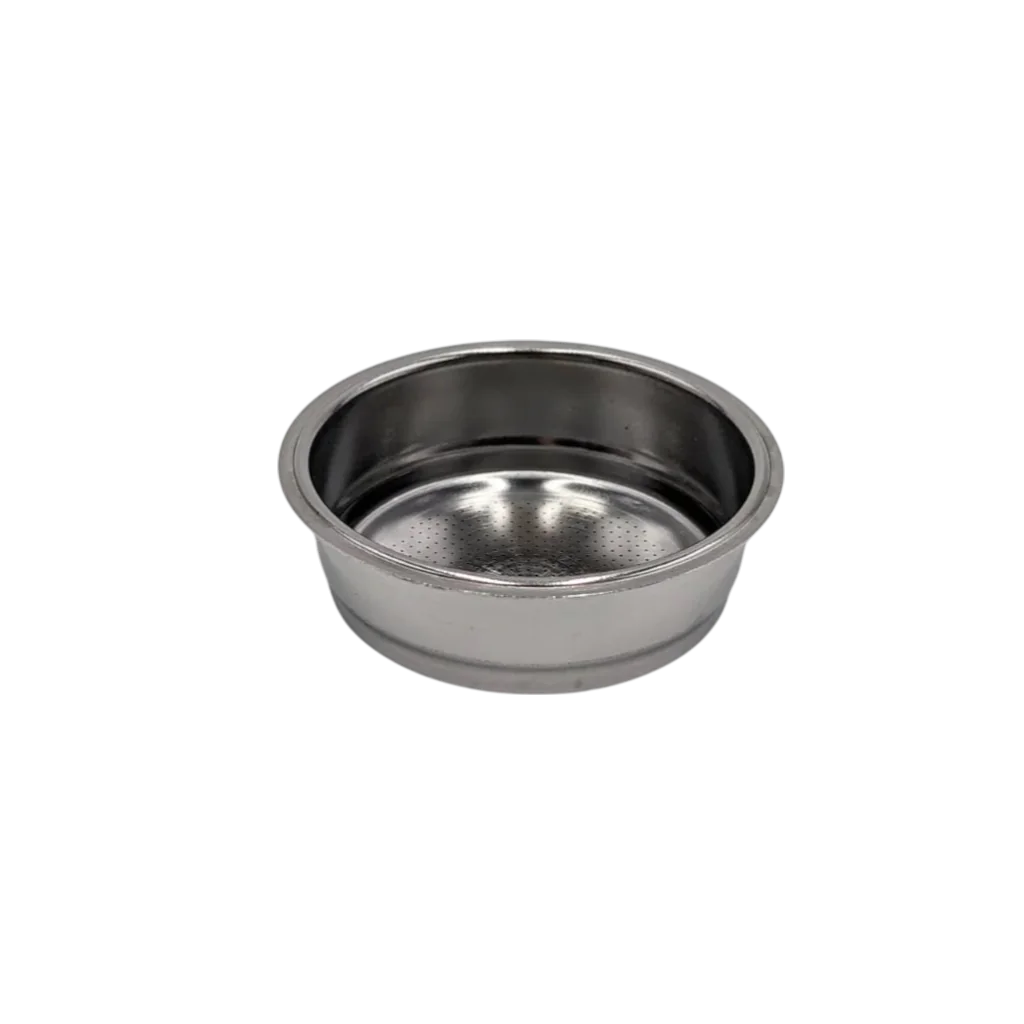
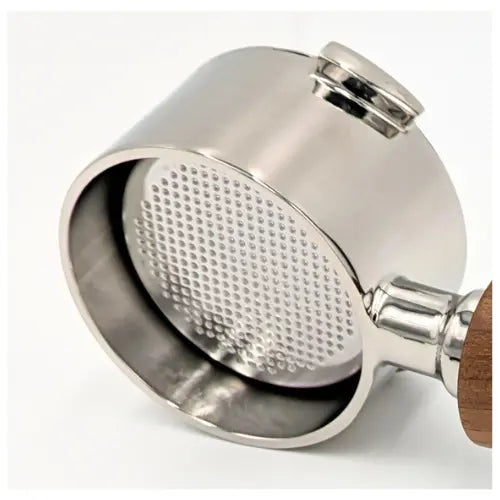
The standard package includes a small brew basket for 5–6 grams of ground coffee, a capsule adapter, and a shower screen. Either the capsule adapter or ground basket fits into a screw-on portafilter housing. A small funnel/dosing cup is also included to make filling grounds easier, which doubles as a tamper. These accessories are made of black plastic.
We wanted to test the brewer's full potential and didn't want to settle for small 5 g shots (which, it should be noted, handle lower temperatures better). Since OutIn offers a Plus Basket Set featuring a stainless steel tamper and a 16–17 gram basket, that was our setup of choice.
Working with the larger basket and the neat metal tamper makes preparation easier and elevates the overall quality feel of the OutIn Nano. Brewing 16 grams of coffee at a 1:2 ratio yields a full 32-gram double espresso in the cup!
Links and Recommendations
*This is an Amazon affiliate link. Ordering through this link costs you nothing extra, but we earn a small commission that helps support our independent testing equipment. Thank you!


